In today’s fast evolving digital age, businesses, including Small and Medium Enterprises (SMEs), are realizing the immense potential of digital marketing. Unlike traditional marketing, which relies on mediums such as print, television, and radio, digital marketing leverages the internet to deliver targeted and measurable results. Two significant pillars of digital marketing suc as Search Engine Optimization (SEO) and Social Media Optimization (SMO), which play critical roles in transforming how businesses connect with their audiences.
What is Search Engine Optimization (SEO) ?
SEO is the practice of optimizing a website to rank higher on search engine results pages (SERPs). The goal is to increase organic traffic to a website by making it more visible to users searching for relevant products or services.
Key Benefits of SEO for Businesses
• Increased Visibility: A well-optimized website ranks higher on Google, making it easier for potential customers to find your business.
• Cost-Effective: Unlike paid advertising, organic traffic gained through SEO doesn’t require recurring expenses.
• Improved Credibility: High-ranking websites are perceived as more trustworthy by users.
SEO Tools and Their Uses
• Google Analytics: Tracks website performance and user behaviour.
• SEMrush: Provides insights into keywords, competitors, and backlinks.
• Yoast SEO: A plugin for optimizing content on WordPress websites.
• Ahrefs: Offers a detailed analysis of backlinks and keyword rankings.
• Google Search Console: Monitors website performance in Google search results.
What is Social Media Optimization (SMO) ?
SMO focuses on leveraging social media platforms to promote brand awareness and drive traffic to a website. It involves creating engaging content, optimizing social media profiles, and fostering meaningful interactions with users.
Key Benefits of SMO for Businesses
• Enhanced Brand Presence: Consistent social media activity builds brand recognition.
• Audience Engagement: Social media platforms allow direct communication with customers, fostering loyalty.
• Cost-Efficient Advertising: Social media ads are often more affordable than traditional ads and can be targeted precisely.
SMO Tools and Their Uses
• Hootsuite: Schedules posts across multiple platforms and tracks performance.
• Buffer: Simplifies social media posting and analytics.
• Canva: Helps create visually appealing social media content.
• Sprout Social: Provides detailed analytics and team collaboration features.
• BuzzSumo: Identifies trending content and influencers in your industry.
How SMEs Can Benefit from Digital Marketing
Enhanced Competition: Digital tools level the playing field, enabling small businesses to compete with larger corporations.
Better ROI: With precise targeting, businesses can ensure their marketing budget yields measurable results.
Customer Insights: Analytics tools provide valuable insights into customer preferences and behaviours.
Flexibility and Scalability: Businesses can scale their campaigns based on performance and budget availability.
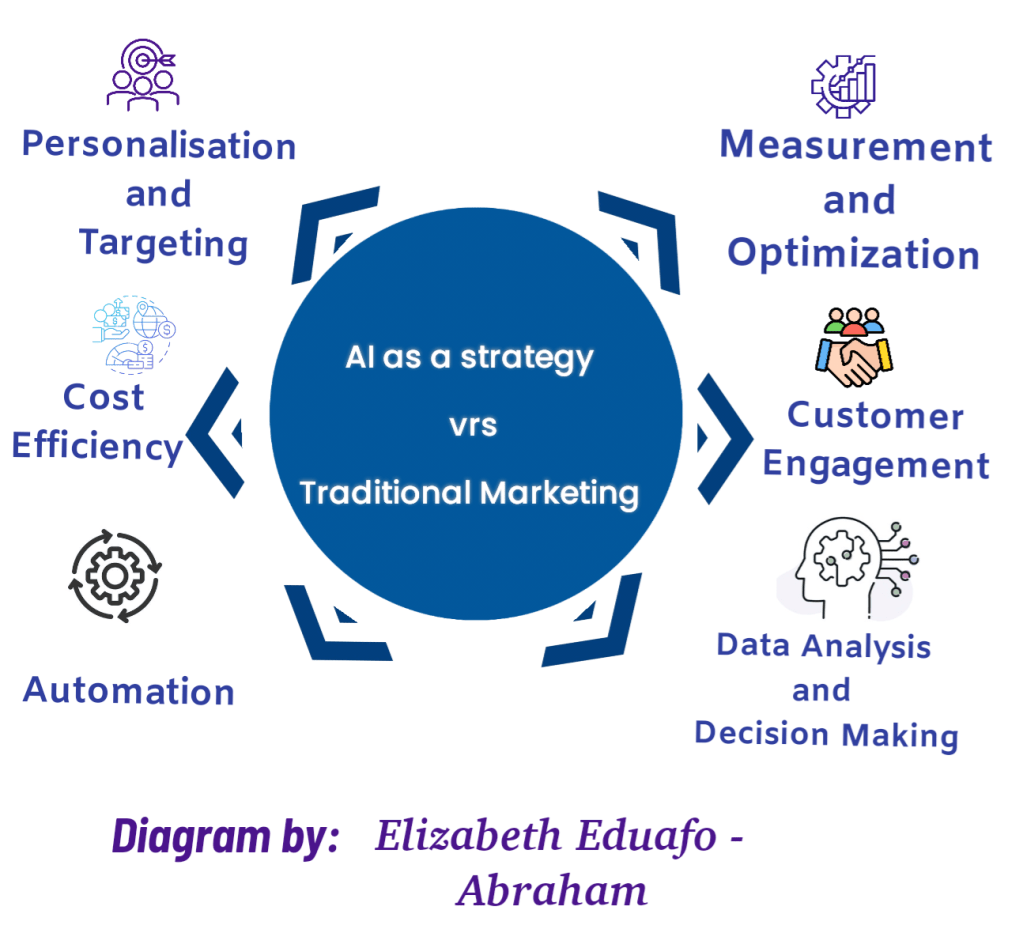
Integrating Traditional and Digital Marketing.
While digital marketing offers vast potential, combining it with traditional methods can yield the best results.
For instance, a local business can run a radio ad promoting its social media platforms, driving online engagement, and increasing brand visibility.
Balancing Traditional and Digital Marketing
For many SMEs, the transition to digital marketing doesn’t mean abandoning traditional methods altogether.
Instead, a hybrid approach can be highly effective. For example:
A billboard ad promoting a brand’s website or social media handles.
A radio commercial offering a discount code for online purchases.
Print materials that direct customers to engage with the business online.
By combining the strengths of both traditional and digital marketing, businesses can maximize their reach and impact.
In conclusion, digital marketing driven by SEO and SMO offers businesses the tools and opportunities to grow in a highly competitive market.
By embracing these strategies, SMEs and other companies can increase their reach, improve customer engagement, and boost profitability.By leveraging digital platforms while complementing traditional efforts, businesses can achieve greater visibility, engagement, and profitability in an increasingly competitive landscape.
In a world driven by technology, the integration of digital marketing is not just an option but a necessity for sustainable growth.
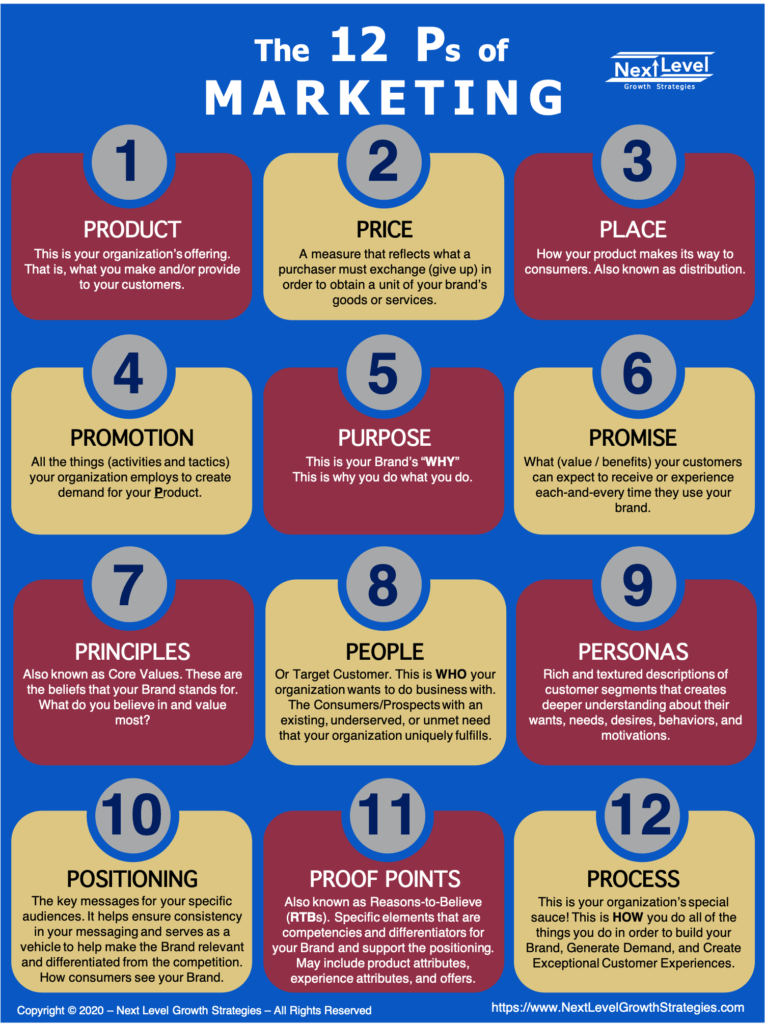
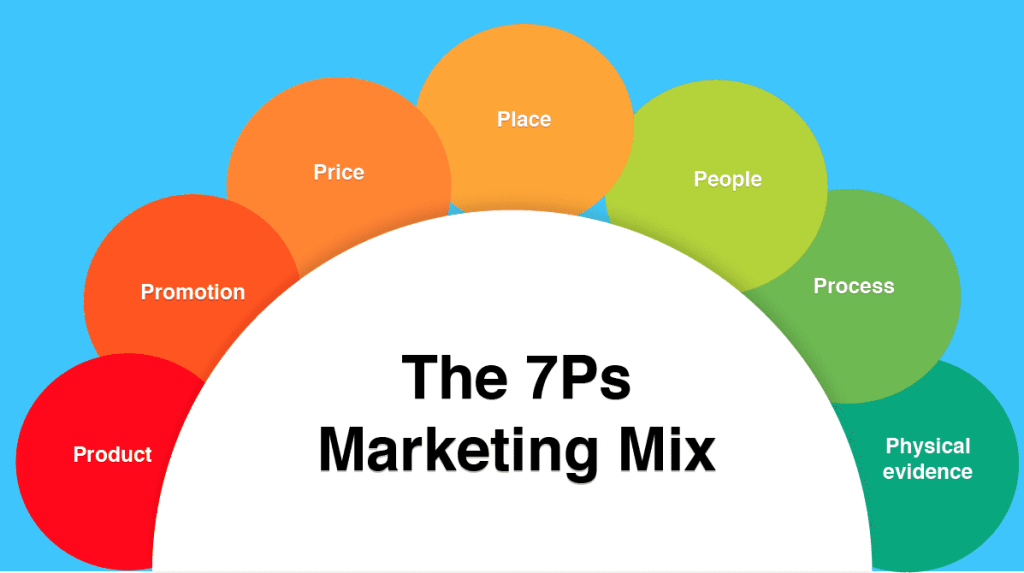
 Marketing Insight.